
Overview of 1980s Yamaha Sun Classic Gas Golf Cart Manuals
These 1980s manuals, notably the 1983‑1989 G1 Service Manual LIT‑11616‑03‑27, span 223 PDF pages․ They cover gas and early electric variants, detailing chassis, engine, and electrical systems․ Though scanned, the images remain usable for troubleshooting and repair․ Prize these manuals for history now․!
Publication Details and Release Years

The 1980s Yamaha Sun Classic gas cart manuals were released as technical documents that evolved with the product line․ The flagship G1 service manual, part number LIT‑11616‑03‑27, first appeared in 1983 and stayed in print through 1989, covering G1‑A3 to G1‑E3․ Distributed in PDF format, it was sold via resellers such as Craigs Manuals․ The PDF has 223 pages of data, including exploded diagrams, wiring schematics, and maintenance procedures․ The manual’s release schedule matched Yamaha’s model updates: a revised edition in 1984 reflected changes to the G1 chassis, another in 1985 added a new fuel‑injector system, and a 1986 edition updated the electrical harness for the optional electric conversion kit․ The final 1989 edition consolidated revisions and added a troubleshooting guide for the G1‑E3 variant․ Yamaha also issued a G16 gas‑powered repair manual in 1990, building on the G1 documentation and adding a higher‑capacity carburetor and upgraded cooling system․ The G16 manual, also in PDF, was distributed through the same channels․ These documents were produced by Yamaha’s in‑house technical team and distributed worldwide, focusing on North America and Europe․ They remain sought after by collectors and technicians for their coverage of the Sun Classic line’s mechanical and electrical systems․ Collectors often cite the 1983 manual as the definitive source for early Sun Classic models, noting its clear diagrams and thorough engine troubleshooting sections․ The manual also includes a maintenance schedule table that lists oil changes, filter replacements, and battery checks, which remains a valuable reference for owners of vintage carts․ Its continues in projects․ This manual remains a cornerstone for enthusiasts!!
Scope of Covered Models and Features
Yamaha’s 1980s Sun Classic gas cart manuals span the G1 family (1983‑1989) and the later G16 (1990)․ The G1 series includes the base G1‑A3, the upgraded G1‑E3 with an optional electric conversion kit, and the G1‑E3 gas variant․ The manuals detail the 2‑stroke 2․5‑hp gasoline engine, dual‑chain drive, and the 4‑wheel independent suspension․ They cover the front and rear brakes, the hydraulic steering system, and the 12‑V battery charging circuit․ The G16 manual adds a 3‑stroke 3‑hp engine, a larger fuel tank, and an upgraded cooling fan․ All documents provide exploded diagrams of the chassis, wiring schematics, and torque‑spec tables for bolts․ They also include maintenance schedules for oil changes, spark‑plug replacement, and battery checks․ The manuals address common issues such as carburetor tuning, brake pad wear, steering cable alignment․ For the electric variant, the manuals explain the 48‑V DC motor, controller, and regenerative braking․ The scope extends to optional accessories like a rear‑view mirror, seat cushions, and a cargo box․ Each manual is organized by system—engine, transmission, electrical, body—making troubleshooting straightforward․ These documents are essential for technicians restoring vintage carts or upgrading components while preserving original specifications․ They remain a primary reference for collectors and hobbyists alike Collectors value these manuals for detailed schematics and context

Yamaha G1 (1983-1989) Service Manual LIT-11616-03-27
Manual spans 223 pages, covering 1983‑1989 G1 models․ It details engine, transmission, electrical, and chassis systems․ Dark scanned images remain usable․ Includes torque specs, wiring diagrams, and troubleshooting for common gas‑cart issues!
Format, Page Count, and Scanned Quality
Users report that PDF’s zoom function preserves line integrity, making it easier to read fine print on small tiny screens; The manual’s navigation pane lists chapters by title, jumps to engine and electrical sections․ While the scanned images occasionally show faint bleed-through, overall fidelity is sufficient for repair tasks․ The manual’s layout mirrors the hardbound version, allowing technicians to reference diagrams and torque tables․
Included Technical Sections and Repair Topics
Engine and drivetrain sections cover the 2‑cyl, 2‑stroke gasoline engine, detailing cylinder head removal, piston ring replacement, carburetor cleaning, and ignition timing․ Electrical chapters include wiring diagrams, alternator troubleshooting, battery charging circuits, and starter relay diagnostics․ Suspension and steering parts discuss shock absorber replacement, tie‑rod adjustments, and wheel alignment․ Brake system instructions cover pad replacement, master cylinder bleed, and ABS module checks․ Battery maintenance covers charging procedures, electrolyte levels, and safety precautions․ Service procedures outline torque specifications for fasteners, recommended service intervals, and preventive maintenance schedules․ Troubleshooting guides provide step‑by‑step diagnostics for common issues such as engine stalling, electrical shorts, and brake failure․ Parts lists and OEM part numbers are included for easy ordering․ Safety warnings emphasize proper grounding, battery handling, and tool usage․ The manual also contains a glossary of technical terms and a quick‑reference sheet for torque values․ Detailed torque tables for the engine, transmission, and chassis components are presented in a clear, color‑coded format․ The service manual includes a checklist for inspection, each component meets Yamaha’s specifications before the cart is deployed․! Overall, the manual serves as a comprehensive resource for technicians and hobbyists alike, enabling reliable repairs and prolonging the life of the classic Yamaha Sun Classic golf cart․

Yamaha G16 Gas-Powered Golf Cart Repair Manual
The Yamaha G16 Gas‑Powered Golf Cart Repair Manual offers clear, step‑by‑step instructions for maintenance and troubleshooting․ It covers engine tuning, carburetor cleaning, electrical diagnostics, brake repairs, and battery care․ Users gain confidence restoring performance․ for enthusiasts worldwide․
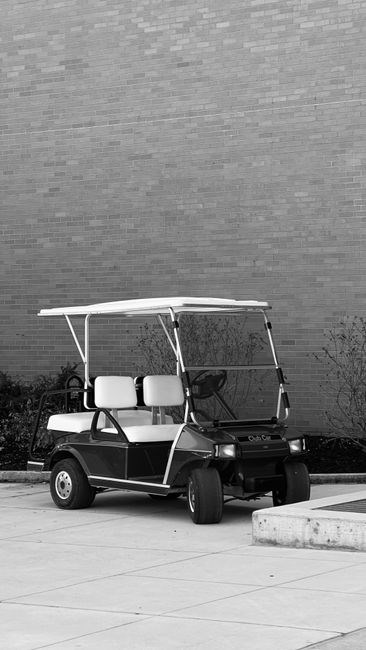
Step-by-Step Repair Guidance and Practical Instructions

Begin by gathering the official Yamaha G16 Gas‑Powered Golf Cart Repair Manual, which offers a clear, step‑by‑step approach․ Step 1: Inspect the engine compartment for leaks, loose fittings, and oil levels․ Use a calibrated oil dipstick; a level between the marks indicates proper lubrication․ Step 2: Check the carburetor․ Remove the air filter, clean the float bowl with a mild solvent, and adjust the idle screw until the engine idles at 1,200 rpm․ Step 3: Verify the ignition system․ Inspect spark plugs for wear, replace with OEM parts, and set the gap to 0․7 mm․ Step 4: Test the electrical circuit․ Measure the battery voltage; it should read 12․6 V when fully charged․ Inspect all wiring harnesses for corrosion, repair or replace damaged sections․ Step 5: Examine the braking system․ Clean the brake pads, ensure the hydraulic fluid is at the correct level, and test the brake lever for a firm pull․ Step 6: Perform a full diagnostic run․ Start the cart, let it warm to operating temperature, and observe the dashboard for any fault codes․ Use the manual’s troubleshooting chart to resolve issues․ Step 7: Finalize maintenance․ Re‑install all components, tighten all fasteners to specified torque values, and conduct a test drive to confirm smooth operation․ The manual’s practical instructions empower owners to maintain reliability and extend the cart’s lifespan․ Step 8: Clean the exterior and interior․ Use a non‑abrasive cleaner for the vinyl seats and a mild detergent for the dashboard․ Dry thoroughly to prevent mold․ Step 9: Store the cart properly․ When not in use, cover the cart, disconnect the battery, and keep it in a dry, shaded area to avoid corrosion․ Additionally, check the suspension for wear and replace shocks if compression is uneven․
Coverage of Common Electrical and Mechanical Issues
The manual advises cleaning the battery’s negative terminal with a wire brush and applying dielectric grease, then tightening the battery tray screws to 15 Nm․ If the cart stalls, check the spark plug gap; a gap wider than 0․8 mm often causes misfires․ For the fuel system, replace the fuel filter every 3,000 mi․ The G1’s carburetor jets should be cleaned with a fine brush to ensure proper fuel atomization․ Check output; replace brushes if voltage drops below 12․5 V․now!․
If the cart stalls, inspect the spark plug gap; a gap wider than 0․8 mm often causes misfires․ For the fuel system, replace the fuel filter every 3,000 mi․ The G1’s carburetor jets should be cleaned with a fine brush to ensure proper fuel atomization․ Finally, the manual covers the proper procedure for adjusting the idle speed by turning the idle screw clockwise until the engine idles at 1,200 rpm, then counter‑clockwise to fine‑tune․ Check output; replace brushes if voltage drops below 12․5 V․ now!․
They guide owners well every․

Yamaha G3-E Sun Classic Electric Service Manual (1987)

Scarce 1987 G3‑E manual is sought by collectors․ Few PDFs exist; forums request copies․ It differs from gas models by detailing battery management, inverter wiring, and regenerative braking․ Owners rely on community archives for guidance․ The manual covers inverter cooling and battery maintenance․
Availability, Community Requests, and Scarcity
The manual’s copies are often shared limiting use, yet hobbyists value schematics for troubleshooting battery wiring and inverter calibration․ Its rarity fuels a market of collectors who trade PDFs a fewdollar․ for a fewdollars!

Key Differences Between Electric and Gas Models
Electric and gas variants of the 1980s Yamaha Sun Classic differ in propulsion, power source, and maintenance demands․ Gas models rely on a 4‑stroke gasoline engine, a small fuel tank, and a carburetor that requires periodic cleaning and spark plug replacement․ Their exhaust system is a muffler and the cooling fan is mechanically driven․ In contrast, electric models use a lead‑acid battery pack a DC motor, and a controller that manages voltage and current․ The battery compartment is larger, and the motor’s cooling relies on airflow․ Electric carts lack an internal combustion engine, so there is no fuel line, spark plug, or exhaust, reducing routine maintenance․ However, battery health must be monitored, and replacement is costly․ The drive train of gas models includes a gearbox and a clutch, whereas electric models often use a DC direct today system with no clutch, simplifying the drivetrain․ The weight distribution also varies: gas carts are heavier due to the engine and fuel, while electric carts are lighter but heavier in the battery area․ Performance characteristics differ; gas models can maintain higher speeds for longer periods, while electric models have a limited range per charge and may experience voltage sag under heavy load․ Finally, the service manuals reflect these differences: gas manuals emphasize engine tuning, fuel system checks, and exhaust maintenance, while electric manuals focus on battery care, controller diagnostics, and motor cooling․

Owners Manuals 1984-2015 and Online Resources
PDF collections from Cartaholics and forums offer free downloads of all models 1984‑2015․ Users share scanned pages, troubleshooting tips, and updates․ These resources quick help restore vintage Yamaha Sun Classics and locate missing parts data․
PDF Collections and Download Platforms
For enthusiasts seeking original 1980s gas Yamaha Sun Classic manuals, several online repositories provide free PDF downloads․ The Cartaholics Golf Cart Forum hosts a comprehensive archive titled “Yamaha Golf Cart Owners Manual 1984‑2015 All Models PDF Download․” Users can access the full set, including the 1983‑1989 G1 Service Manual (LIT‑11616‑03‑27) and the 1987 G3‑E electric counterpart, through a single click․ The forum’s structured PDF Collections feature a searchable index, allowing quick navigation to specific model years or parts sections․ Additionally, Craigslist listings occasionally feature scanned copies of the 223‑page G1 manual, though image quality varies․ Another reliable source is the Yamaha G16 Gas‑Powered Golf Cart Repair Manual available on a dedicated hobbyist site; it offers step‑by‑step guidance for the G16 model, complementing the older G1 documentation․ Users can download these PDFs in high‑resolution formats, ensuring that even faint text remains legible․ When downloading, it is prudent to verify file integrity via checksums posted on the forum, and to respect copyright by sharing only with fellow hobbyists․ These platforms collectively preserve the technical heritage of the Sun Classic series, enabling accurate restoration and maintenance of vintage gas carts․ For those who prefer cloud storage, a mirrored copy of the G1 manual is hosted on Google Drive, while a GitHub repository contains a collection of scanned pages for the 1984‑1989 models, complete with a README that explains page numbering and section headers․ Some community members have also uploaded the G1 manual to a private Dropbox folder, accessible through a shared link that requires a brief confirmation of membership in the Cartaholics group․ Finally, the Yamaha Owners Manual PDF Collection on the official Yamaha support site offers a yearly PDF bundle, which includes the 1983‑1989 gas models and the 1987 electric variant, all compiled into a single archive for ease of download․ By leveraging these diverse sources, hobbyists can cross‑reference information, compare scanned quality, and ensure that they have the most complete set of documentation available for their Sun Classic repairs․
Community Forums and User Contributions
Community forums are the lifeblood of vintage golf‑cart enthusiasts, offering a wealth of firsthand knowledge, troubleshooting tips, and rare documentation․ The Cartaholics Golf Cart Forum hosts a dedicated thread where users share the 1983‑1989 G1 Service Manual (LIT‑11616‑03‑27) scans, often correcting OCR errors and adding color‑coded annotations․ Members frequently upload high‑resolution PDFs of the 1987 G3‑E electric manual, enabling cross‑model comparisons that clarify differences in wiring schematics and motor specifications․ In addition, forum’s “Repair & Restoration” sub‑section features step‑by‑step guides for common gas‑model issues such as carburetor cleaning, brake pad replacement, and battery maintenance, all sourced from original manuals․ Users also contribute custom PDFs of the Yamaha G16 Gas‑Powered Golf Cart Repair Manual, which, while focused on a later model, contains valuable insights into engine tuning that remain applicable to the earlier G1 line․ The community’s collaborative spirit is evident in the “PDF Collections” link, where a curated archive of 1980s manuals is available for download, complete with a checksum list to verify file integrity․ Many forum participants host mirrored copies on Dropbox or Google Drive, ensuring redundancy and quick access for those with limited bandwidth․ Regular Q&A threads allow newcomers to ask questions—such as “How do I replace the spark plug on a 1984 G1?”—and receive answers that reference page numbers from the LIT‑11616‑03‑27 manual․