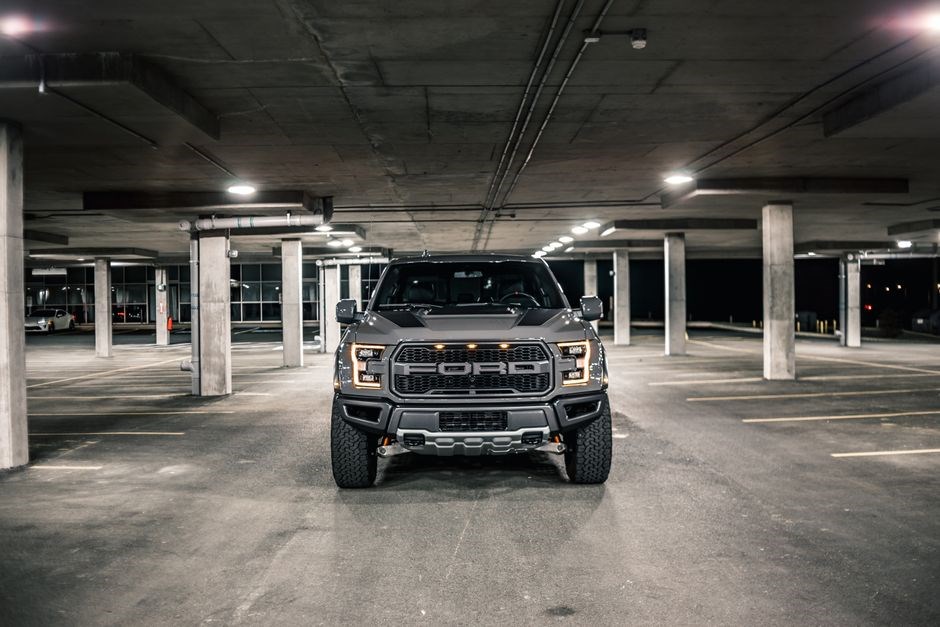
The 2016 Ford F‑150 manual offers a blend of rugged capability and driver engagement. With a robust engine and a traditional stick shift, it appeals to enthusiasts seeking tactile control. This section introduces the vehicle’s manual heritage and sets the stage for deeper exploration. It offers fast drive

Overview of 2016 F150 Manual Transmission
The 2016 F‑150 manual version delivers a durable 6‑speed gearbox paired with a powerful V‑6 or V‑8 engine. Its layout prioritizes torque handling soft gear changes and a straightforward gear stick design for confident control. It remains a rare find for purists
Engine and Transmission Specs
The 2016 Ford F‑150 manual variant is built around a robust powertrain that balances torque, efficiency, and driver engagement. At its core sits a 3.5‑liter EcoBoost V‑6, delivering 365 horsepower and 420 lb‑ft of torque, or a 5.0‑liter V‑8 that pushes 385 horsepower and 400 lb‑ft. Both engines are paired with a six‑speed manual gearbox designed to handle heavy loads while providing smooth gear changes. The transmission’s gear ratios are tuned for optimal performance across a wide range of driving conditions: 1st gear at 3.65:1, 2nd at 2.00:1, 3rd at 1.35:1, 4th at 1.00:1, 5th at 0.83:1, and 6th at 0.68:1. These ratios allow the driver to keep the engine in its sweet spot, maximizing torque delivery for towing while also enabling efficient cruising. The clutch assembly is a single‑plate design with a hydraulic, and slave cylinder providing a bite and a release feel.! The overall weight of the drivetrain is roughly 600 pounds, which is relatively light for a full‑size pickup, contributing to better handling and lower fuel consumption. The manual transmission is also compatible with the F‑150’s 10‑speed automatic, allowing owners to swap between modes if desired. This flexibility, combined with the engine’s strong torque curve, makes the 2016 F‑150 a versatile choice for both work and recreational driving. The combination of a powerful engine, well‑balanced gear ratios, and a durable manual gearbox offers a satisfying driving experience that appeals to those who value control and performance in a rugged truck.
The 2016 F‑150 manual’s six‑speed gearbox matches the EcoBoost V‑6’s torque curve and the V‑8’s power. Gear ratios: 1st 3.65:1, 2nd 2.00:1, 3rd 1.35:1, 4th 1.00:1, 5th 0.83:1, 6th 0.68:1. These ratios keep the engine in its efficient band while providing low‑speed torque for towing and off‑road work. Shift points: 2,500–3,000 rpm for 1st‑3rd, 2,200–2,500 rpm for 4th, 1,800–2,200 rpm for 5th‑6th. This keeps the engine in the 2,000–3,500 rpm sweet spot, maximizing fuel economy and torque. Drivers should listen for the engine’s sweet spot sound and feel the clutch bite before shifting. Shifting too early wastes fuel; too late lugs the engine and wears the clutch. Over‑drive gears lower rpm for highway cruising, reducing wear and improving miles per gallon. For heavy towing, stay in 3rd or 4th gear until the engine reaches 3,000 rpm for ample torque. Mastering ratios and points enhances performance, extends clutch life, and improves efficiency. The clutch uses a single‑plate system with a 1.5‑inch diameter, providing a responsive bite feel. Proper clutch timing is crucial; early engagement wastes revs, late causes wear. Use the tachometer to time shifts, keeping the engine in the optimal torque band. When towing 10,000‑lb, shift 1st at 2,200 rpm, 2nd at 2,800 rpm, 3rd at 3,200 rpm, 4th at 3,600 rpm, keeping below 3,500 rpm. For off‑road, lower shift points (1st at 2,000 rpm, 2nd at 2,500 rpm) maintain traction. Mastering ratios and points lets drivers extract peak performance from the 2016 F‑150 manual in work and recreation. Enjoy the manual experience. Feel the road.!!!..!
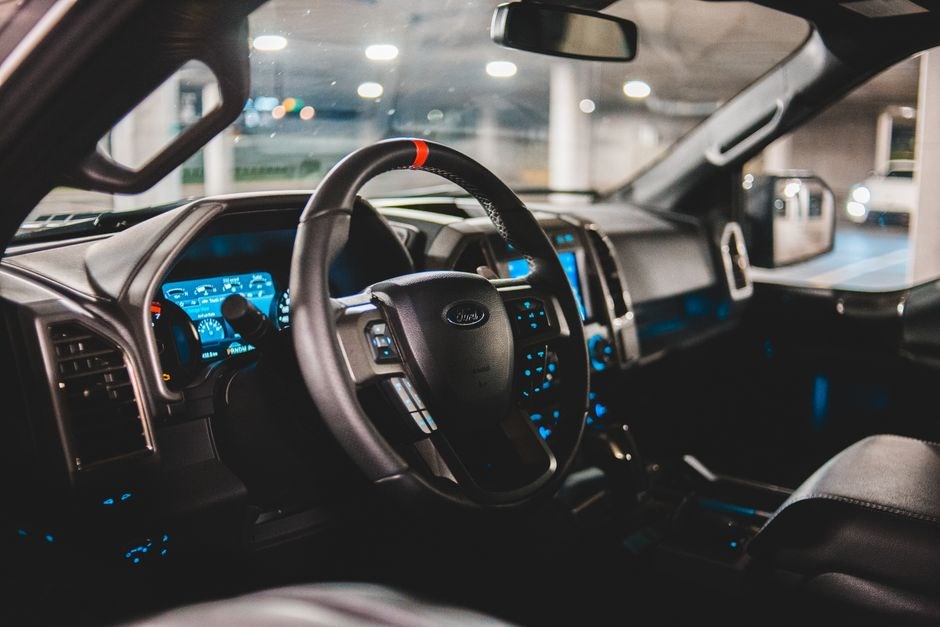
Getting Started with the Manual
Start by familiarizing yourself with the gear stick layout, clutch pedal, and shift lever. Practice engaging the clutch fully, then shift into first gear at low rpm. Gradually release the clutch while applying throttle, ensuring smooth transitions before moving forward. Keep practicing for shift now
Understanding the Gear Stick
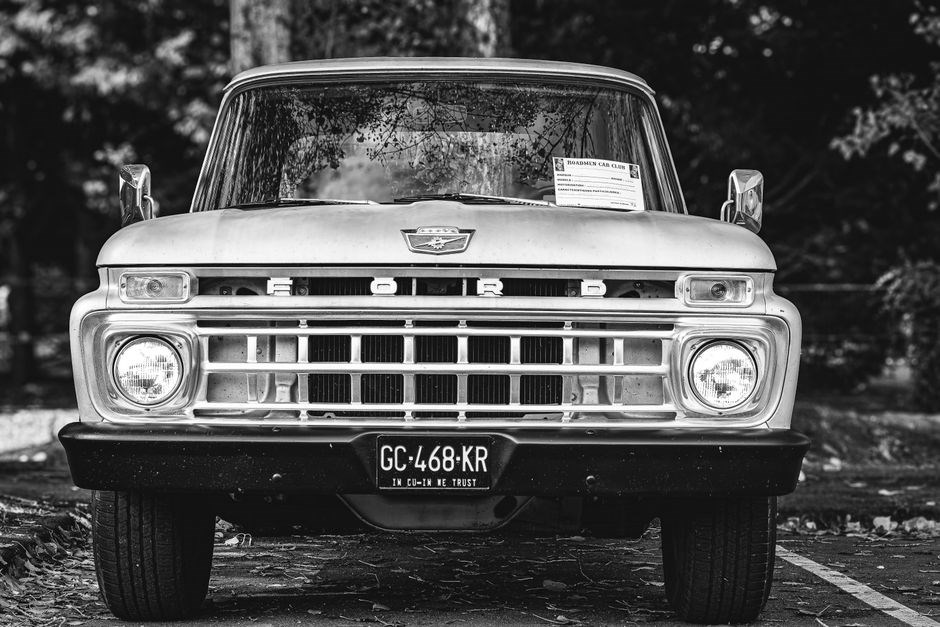
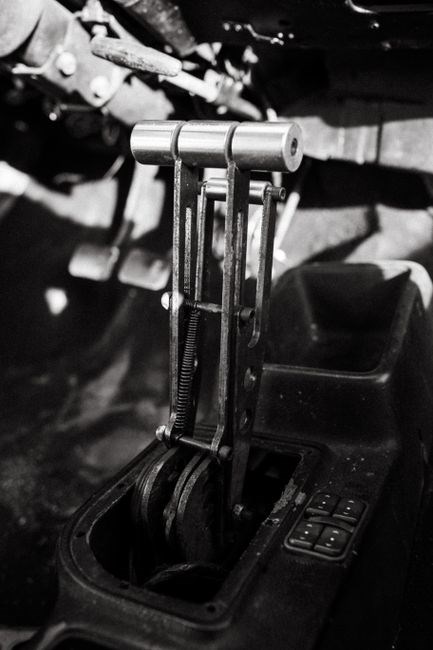
In the 2016 Ford F‑150, the manual gear stick is positioned centrally, offering a balanced feel for both left‑hand and right‑hand drivers. The stick is a short‑lever design, with a smooth, spring‑loaded return that ensures a quick shift between gears. The layout follows a standard H‑pattern: first gear to the upper left, second to the lower left, third to the upper center, fourth to the lower center, fifth to the upper right, and sixth to the lower right. The reverse gear is accessed by moving the stick to the far right and then pushing down or pulling up, depending on the model’s specific design. The shift lever is reinforced with a rubber‑tipped handle that provides a firm grip, reducing fatigue during long drives or heavy towing. The indicator on the stick shows the current gear, and a small notch on the top of the lever helps prevent accidental shifts. When engaging the clutch, the driver should press the pedal fully to disengage the engine from the transmission, allowing the stick to move freely. The gear stick’s design also includes a slight curvature that aligns with the driver’s natural hand motion, minimizing strain. Proper use of the gear stick involves smooth, deliberate movements: avoid jerky motions that can damage the synchronizers. Regular inspection of the shift linkages and cables is recommended to maintain precise gear engagement. By mastering the feel and positioning of the gear stick, drivers can achieve a more responsive and efficient driving experience in the 2016 F‑150 manual.
Additionally, the F‑150’s manual transmission includes a lock‑out feature that prevents the driver from shifting into neutral while the vehicle is in motion, enhancing safety. The lock‑out lever is located near the gear stick and can be disengaged by pressing a small button on the side of the stick. This feature is especially useful in heavy traffic or when reversing. The gear stick also has a subtle tactile feedback when the driver reaches the end of a gear’s range, signaling that the next gear is ready. This feedback is achieved through a combination of spring tension and the design of the shift cam. Understanding these nuances allows the driver to anticipate gear changes and maintain optimal engine performance. The manual’s ergonomics are designed to accommodate drivers of various heights, with adjustable seat and steering wheel positions that align the gear stick within easy reach. This thoughtful design reduces the need for excessive reaching, promoting better control and safety on the road. Mastering the gear stick is the first step toward unlocking the full potential of the 2016 F‑150 manual. Practice shifting at low speeds to develop muscle memory. Enjoy!! Enjoy!
Clutch Operation Basics
Operating the clutch in a 2016 Ford F‑150 manual requires a clear understanding of its mechanical function and the driver’s timing. The clutch pedal is located on the left side of the driver’s footwell, and its primary role is to disengage the engine from the transmission so that gear changes can occur smoothly. When you depress the pedal fully, the pressure plate releases the flywheel, allowing the gear synchronizers to align without resistance. This action is critical during starts, hill climbs, and when shifting between gears. A smooth pedal movement—neither too abrupt nor too sluggish—ensures that the clutch engages gradually, preventing wear on the clutch disc and the pressure plate. Drivers should practice a three‑step sequence: first, press the pedal to the floor; second, shift into the desired gear; third, release the pedal slowly while simultaneously applying throttle. This coordinated motion keeps the drivetrain from jolting and maintains engine RPM within a safe range. The clutch’s travel distance is typically around 5 to 6 inches, and the pedal’s resistance increases as you approach the engagement point. Feel the “bite” of the clutch; this is the moment when the engine’s power is transmitted to the transmission. If the pedal feels too soft or too stiff, it may indicate a hydraulic issue or a worn clutch. Regular inspection of the clutch fluid and the hydraulic lines is essential, as leaks or low fluid can compromise clutch performance. Additionally, the 2016 F‑150’s clutch system is designed with a progressive pedal feel, meaning the resistance gradually ramps up, giving drivers a tactile cue for optimal engagement. Mastering this feel reduces clutch wear and improves overall vehicle responsiveness. Practice clutch engagement to extend its life and improve driving control daily

Driving Techniques
Mastering the 2016 F‑150 manual involves smooth clutch control, timely gear shifts, and throttle modulation. Use low‑range gears on steep grades, keep RPMs moderate in traffic and anticipate stops to reduce wear. Practice hill starts and acceleration for optimal performance
Starting on a Hill
Hill starts with a F‑150 precision. Depress the clutch and shift to gear. Keep the foot on the brake to hold the vehicle. While the engine idles, lift the hand brake and let the clutch begin to engage; As the clutch slips, feel the engine’s torque rise. When the vehicle starts to creep forward, release the brake and press the accelerator. Timing is; a delayed throttle can cause a stall, while a surge may roll the truck back. Use the hand‑brake technique: hold the hand brake, release the clutch slowly, and apply the gas once the clutch engages. If the slope, shift into second gear once the truck moves to reduce engine strain. Remember to keep the clutch engaged only long enough to start; over‑engagement wastes fuel and increases wear. Mastering this technique improves safety, reduces wear, and gives confidence on uneven terrain. Before attempting a hill start, ensure the gear shift is in gear and the clutch pedal is at rest. The hand brake should be engaged firmly. As you release the clutch, listen for the engine’s hum; a sudden surge indicates you’re slipping. On very grades, consider using a gear if available, as it reduces engine RPM and provides more torque. Always keep the finger light until the clutch fully engages. After the truck moves, shift promptly to second gear to maintain momentum. Finally, practice in a controlled environment, such as an empty parking lot, to build muscle memory before tackling real hills. Smooth hill starts need a calm clutch release, light throttle, and steady focus daily! Practice daily for confidence
Shifting in Traffic
Shifting in traffic demands precision and anticipation. Begin by keeping the clutch fully depressed and the gear stick in neutral while the vehicle is stationary. When the light turns green, release the brake, let the clutch engage gradually, and apply a gentle throttle to move forward. As you accelerate, monitor the tachometer; a rise to about 2,500–3,000 rpm signals the optimal time to shift up. Press the clutch, shift to the next gear, and release smoothly to avoid a jolt. In stop‑and‑go situations, use the “clutch‑hold” technique: keep the clutch partially engaged while the brake is released to maintain a low idle and prevent stalling. This technique also reduces wear on the clutch. When approaching a red light, shift back to first gear only if the engine is at a low rpm; otherwise, downshift to second or third to keep the engine within a comfortable range. Remember to use the hand‑brake as a safety measure when the vehicle is stationary on an incline. Keep your eyes on the road and anticipate the movements of surrounding vehicles. Avoid over‑revving by shifting at the appropriate RPM, and use the clutch to smooth transitions. Practice these steps in a quiet area before applying them in heavy traffic. A disciplined approach to shifting in traffic improves fuel economy, enhances safety, and prolongs the life of the transmission. Master this skill for a smoother, more confident driving experience.
When navigating intersections, observe brake lights ahead and anticipate traffic flow. Use the clutch to modulate speed and maintain a steady cadence, especially when merging onto highways. In heavy congestion, downshift to keep the engine in its power band, but avoid unnecessary low‑gear idling. Employ the “rev‑matching” technique when downshifting: briefly lift the throttle, press the clutch, shift to a lower gear, and then re‑engage the throttle smoothly to match engine speed. This reduces shock to the drivetrain and prolongs component life. Keep the clutch pedal fully depressed when stopped to prevent wear from partial engagement. Regularly check the clutch fluid and ensure the master cylinder functions properly. A well‑maintained clutch system provides smoother engagement and reduces stalls. Stay patient and give yourself ample time to shift, especially in stop‑and‑go traffic. Remember that the goal is to maintain a smooth, efficient drive while ensuring safety for all road users, and enjoy the ride.

Fuel Efficiency Tips
Optimizing a 2016 F‑150 manual for mileage starts with proper gear selection. Shift early, around 2,500–3,000 rpm, to keep the engine in its most efficient band. Avoid high‑speed cruising; instead, maintain a steady 55–65 mph where the engine runs lean but not over‑revved. Use the clutch sparingly; a fully depressed clutch wastes energy and accelerates wear.
Keep the vehicle light. Remove unnecessary cargo, and use roof racks only when needed. Inspect tires regularly; maintain the recommended pressure to reduce rolling resistance. A flat or under‑inflated tire can cut fuel economy by up to 3 percent. Replace worn belts and hoses promptly, as leaks and frays increase drag.
Plan routes to minimize idling. When stopped, shift to neutral and disengage the clutch to avoid unnecessary throttle use. In city traffic, use “coasting” by releasing the clutch before the brake to let the engine idle at a lower rpm, then re‑engage the clutch when accelerating. This technique reduces fuel burn during stop‑and‑go conditions.
Use cruise control on long, flat stretches to maintain a constant speed, but disable it in heavy traffic or when frequent stops are expected. Regular maintenance—oil changes, air filter cleaning, and spark plug replacement—keeps the combustion process efficient. Finally, practice smooth acceleration and deceleration; abrupt throttle changes waste fuel and increase engine load.
A well‑maintained clutch timely gear changes keep the F‑150 running smoothly efficient. now!! !
Maintenance and Troubleshooting
Regularly inspect the clutch, ensuring proper hydraulic fluid levels and no leaks. Check the transmission fluid for color and odor; replace every 30,000 miles. Monitor gear engagement; a slipping clutch or delayed shift may signal wear. Address any whining noises early to prevent costly repairs. and checks!
Common Issues and Fixes
Owners of the 2016 Ford F‑150 manual transmission often report a handful of recurring concerns that can be addressed with routine checks and timely repairs. The most frequent issue is clutch slippage, which manifests as a loss of power transfer, a delayed engagement, or a noticeable “slip” when accelerating from a stop. This symptom typically points to a worn clutch disc, a deteriorated pressure plate, or a leaking hydraulic line. Replacing the clutch assembly—disc, pressure plate, and release bearing—usually restores smooth engagement. Another common complaint involves the shift linkage or cable becoming misaligned or binding. A loose or worn shift knob, a bent linkage arm, or a frayed cable can cause the gear selector to stick in a particular gear or to jump unexpectedly. Inspecting the linkage for wear, tightening or replacing the cable, and ensuring the shift lever is properly aligned can resolve these problems. Transmission fluid quality is also critical; a dark, gritty fluid or one with a burnt smell indicates contamination or overheating. Flushing the fluid and replacing the filter every 30,000 miles helps maintain gear health and prevents premature wear. Finally, many drivers notice a whining or grinding noise when shifting from first to second or from second to third gear. This noise often signals a worn synchro ring or a damaged gear tooth. Replacing the affected synchro or gear can eliminate the noise and restore smooth shifting. Regular maintenance, such as checking fluid levels inspecting the clutch and linkage keeps onlyF‑150reliable.